Calm Is the New Loud: Why Big Brands Are Building Quiet Spaces on Their Stands
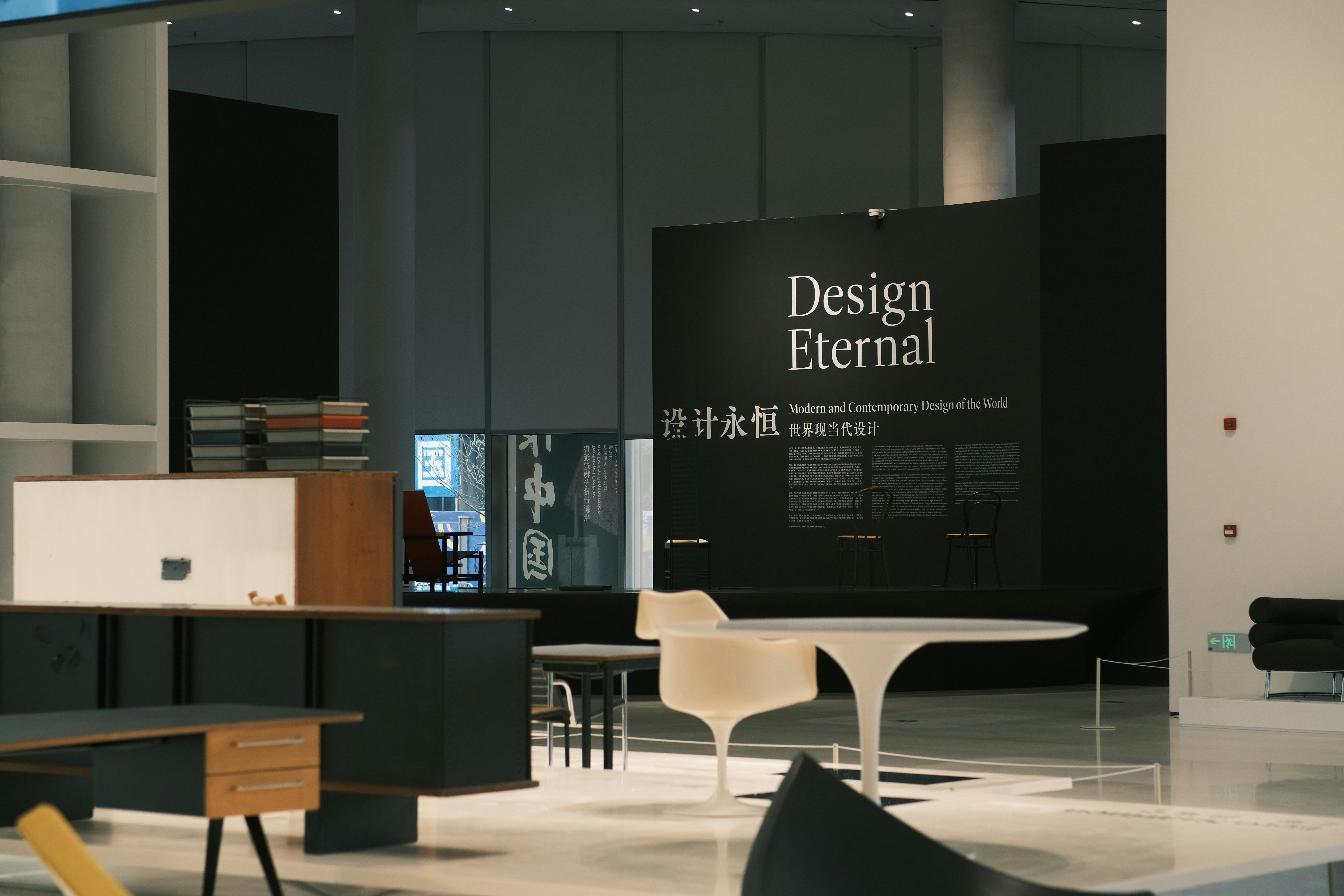
Trade show floors can run at 80 to 90 decibels, about the level of heavy traffic. In the UK, 80 decibels is the point at which an employer has to start assessing the risk to staff hearing under the Control of Noise at Work Regulations. Stand teams spend a full day in that, and visitors are expected to talk through a five-figure order over the top of it.
Some of the biggest exhibitors in 2026 decided not to compete with the noise at all.
What the big brands built
At CES in Las Vegas, Roku took a sky villa and two penthouse suites at a hotel near the show and turned them into a retreat: massages, private snooker tables, fresh flowers and very little branding. The agency behind it reports 175 customers came through during the show. That is a tiny number next to the footfall on a main-floor stand, and that is the point. Each of those 175 was someone the team wanted to see, in a room where they could talk.
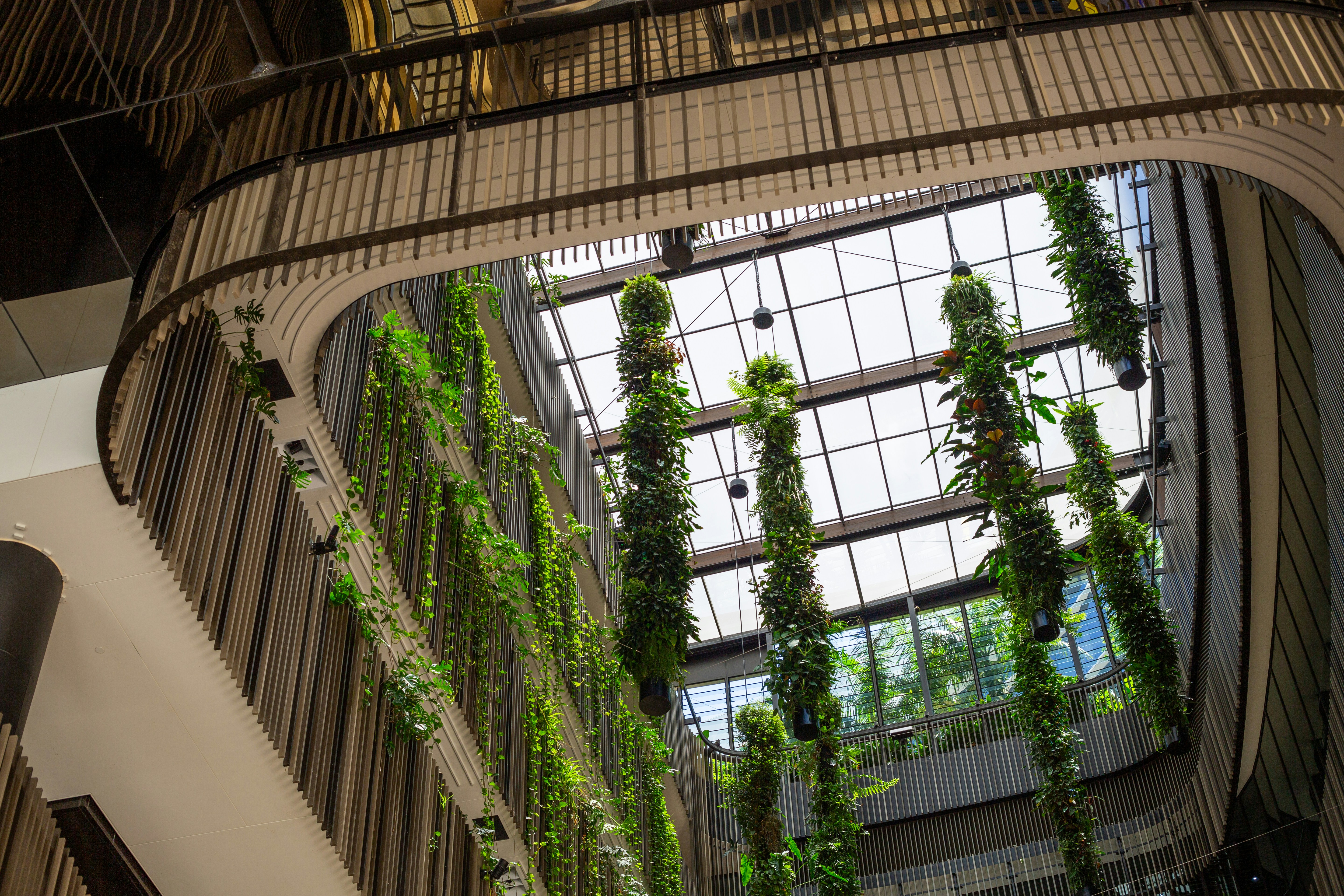
PayPal Ads led guests into its suite through a passage lined with sheer fabric, greenery and filtered light, a deliberate buffer between the corridor and the conversation. Experian turned its suites into what it called a calm space for talking about data and identity. At ISE in Barcelona, the Best Small Stand award went to Framery, a company that makes soundproof pods for offices. It is hard to think of a clearer sign of where stand design is heading.
Why quiet converts
The stand that shouts gets the glance. The stand with a chair gets the meeting. Freeman’s research shows visitors rate the time they spend with exhibitors as slightly more valuable than the conference sessions, and a conversation worth that much needs somewhere to happen. A seat also changes how long someone stays. Standing visitors are always half ready to leave. Seated ones have decided to give you ten minutes.
The small-stand version
None of this needs a hotel suite. On a 6m by 4m space, the quiet corner can be two good chairs and a low table at the back of the stand, screened from the aisle by a fabric wall, a run of tall planting or a slatted timber screen. Fabric, and carpet laid on a proper underlay, soak up far more sound than hard graphic panels and bare floor tiles, and a fabric canopy overhead helps again. Keep screens and speakers at the front of the stand, facing outwards, never towards the seats.
Then treat the corner like a meeting room rather than a rest stop. Book it in advance: send key customers a time slot and the stand number before the show, the same way the big brands fill their suites. Offer something small and good to drink. Keep one person free to host, so the front of the stand is never left empty while a meeting runs.
A good builder will plan the acoustics at design stage rather than as an afterthought, and will know the fire rating every fabric has to meet at the venue. Stand Between introduces exhibitors to vetted builders who can design a stand with a quiet corner that works on your space and budget. If you have a show coming up, get in touch.