Exhibition Stand Trends for 2027: What the Biggest Brands Are Doing Now
At CES in January, Hitachi set up ten demo stations and handed visitors a token at each one. More than 2,100 people scanned into the stand, and the company logged over 50 confirmed business meetings. Nothing about that idea needed a two-storey build. It needed a reason to walk from one point to the next.
That pattern ran through the 2026 season, from Las Vegas to ISE and MWC in Barcelona. The stands that pulled the biggest crowds were not always the biggest. They gave visitors something to do, someone worth talking to, and somewhere to sit down. These are the trends Stand Between expects to shape stands booked for 2027, each paired with a version that works on a normal-sized space.
Calm is the new loud
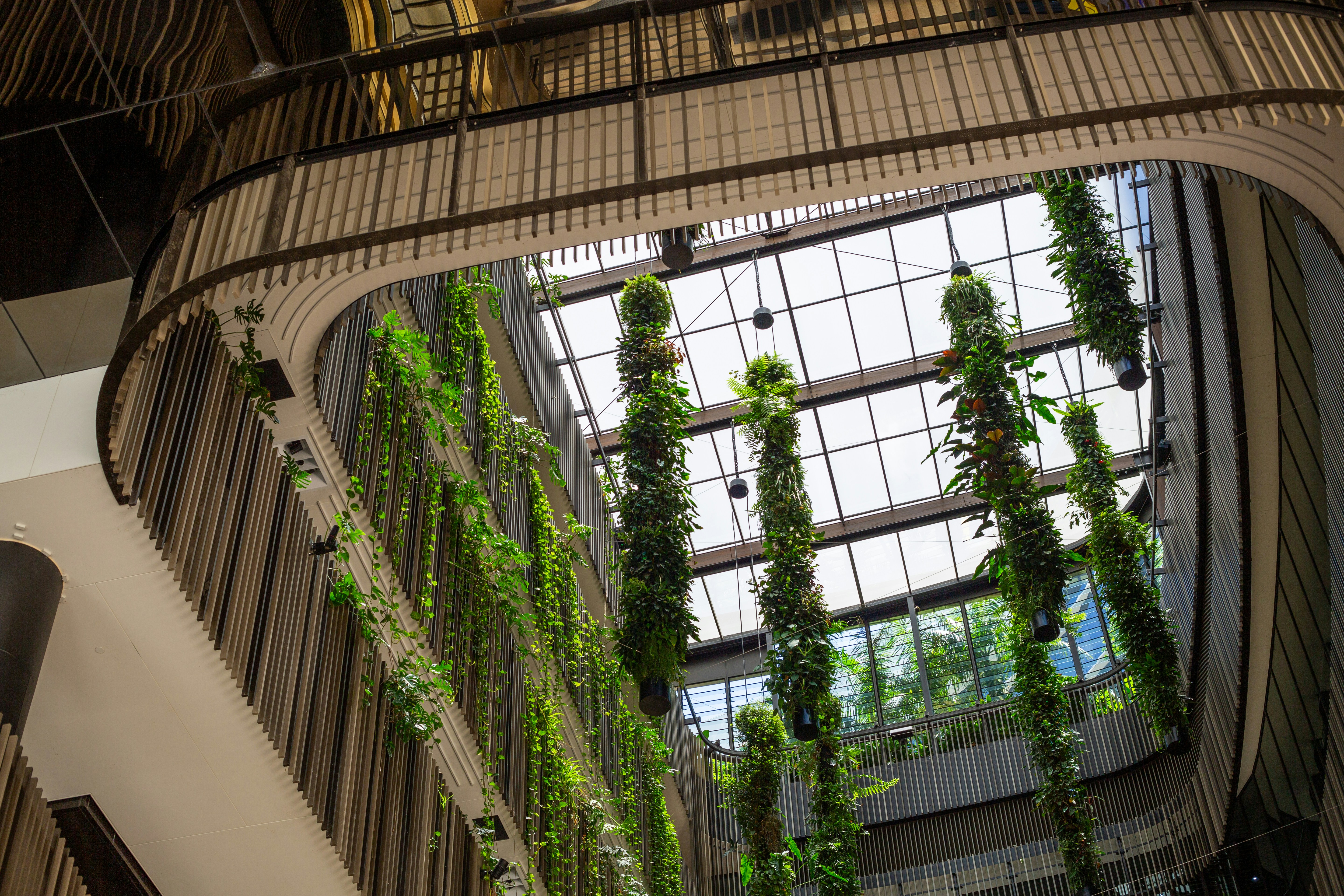
For years the answer to a noisy hall was a louder stand. In 2026 several of the biggest names went the other way. Roku, Experian and PayPal Ads built quiet suites with soft fabrics, greenery and filtered light, designed as an escape from the show floor rather than part of it. The logic is simple: the conversation that leads to an order rarely happens in the aisle.
Small-stand version: give one corner to two chairs, a low table and a screen of fabric or planting. Book meetings into it before the show.
Hands on beats hands off
Freeman’s 2026 research found trade show visitors want 64% of their learning to happen outside the session rooms, and they rate time spent with exhibitors as slightly more valuable than the talks. An earlier Freeman study found 58% of visitors think speaking to a subject expert would improve a stand visit, while only 26% of exhibitors agreed. At CES, John Deere let people climb onto its machines and Abbott ran a mini clinic with finger-prick tests and personalised results.
Small-stand version: put the product in people’s hands, and have your most knowledgeable person on the stand at the busiest times, not only the sales team.
Give people a reason to explore
Google has handed out collectible Android pins at MWC for years, and visitors still hunt for them across the halls. Hitachi’s tokens and Dreame’s scavenger hunts worked the same way at CES. A small reward turns a glance into a visit, and a visit into a walk past every demo point.
Small-stand version: a stamp card across two or three demo points, with something worth keeping at the end.
One hero, seen from 20 metres
Waymo suspended a car vertically above its stand. Hisense built a full stadium around its football sponsorship at ISE. Both did what every good stand does first: they gave people one thing to notice from across the hall.
Small-stand version: pick one product or one message, make it bigger than feels comfortable, and light it properly.
Built to be used again
Sustainability has moved from a brochure line into the build itself. One CES exhibitor made its whole stand from recyclable cardboard and wood, and UK builders now hold graded sustainability accreditation through ESSA. The bigger shift is towards stands designed to be rebuilt across several shows, which spreads the cost as well as the carbon.
Small-stand version: ask your builder at the briefing stage which parts can be stored and reused next year, and budget for storage rather than a skip.
More to come
Each of these trends gets its own piece in Stand Inspiration over the coming months, with more examples from the UK and European show floor. This page is updated as the season moves on.
Stand Between introduces exhibitors to vetted stand builders who can turn ideas like these into a stand that works on your space and budget. If you have a show booked for 2027, get in touch and tell us what you have in mind.